
Cost of an Unpaid Fines Suspension in Michigan: Driver Responsibility Stack
Get My Reinstatement QuoteWhat Michigan Calls the Unpaid Fines Suspension and What It Actually Costs
Michigan's Secretary of State suspends your driver's license when you fail to pay traffic tickets, court fines, or Driver Responsibility fees after the court notifies SOS of non-payment. The suspension is administrative, not judicial, and it compounds immediately: the original ticket debt remains unpaid, the suspension adds a $125 reinstatement fee (separate from your ticket totals), and you need current Michigan no-fault insurance proof to reinstate.
Most drivers calculate wrong because they think the cost is just the ticket total. A $300 speeding ticket becomes $425 minimum once SOS suspends ($300 ticket + $125 reinstatement). If you accumulated tickets across multiple courts, the stack multiplies: three unpaid tickets totaling $800 become $925 to reinstate. The Secretary of State does not consolidate your debt or accept payment directly for the underlying tickets. You pay each court separately, obtain clearance documentation from each, then pay SOS the reinstatement fee.
Michigan suspended Driver Responsibility fees for most new violations after October 1, 2018, but drivers with older DRA debt balances still owe. If your suspension includes unpaid DRA fees, those appear as a separate line item from your traffic tickets and carry their own payment pathway through SOS. Check your driving record abstract from SOS to confirm whether DRA debt is part of your stack.
The Hidden Insurance Proof Requirement That Adds to Your Stack
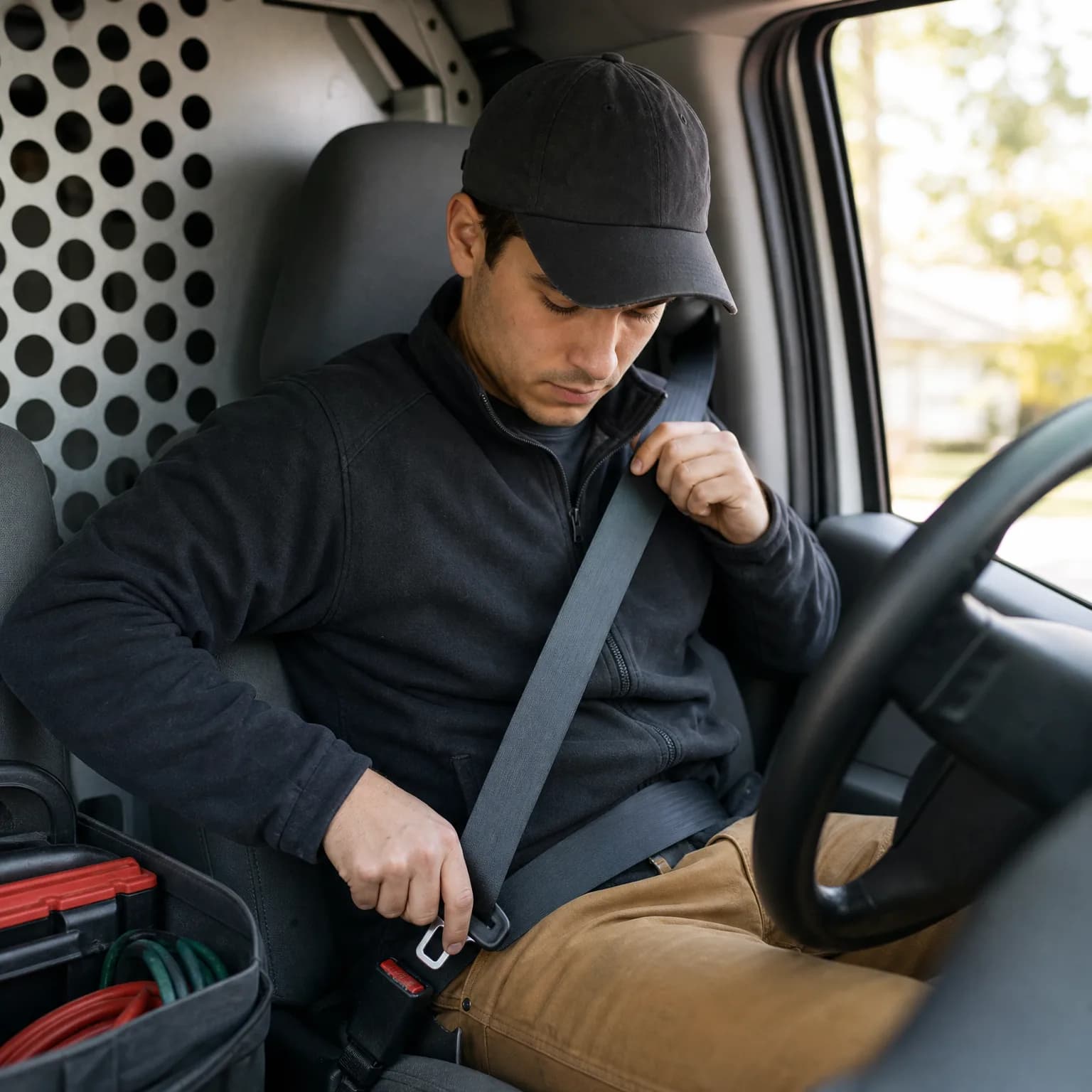
Michigan requires proof of current no-fault insurance to reinstate after any suspension, including unpaid fines. Post-2020 PIP reform added complexity: you must show proof of one of Michigan's tiered PIP coverage options (unlimited, $500K, $250K, or $50K with qualifying health coverage opt-out), not merely a generic liability policy. The Secretary of State verifies your insurance electronically through the state's MACP (Michigan Automobile Insurance Placement Facility) reporting system.
If you let your insurance lapse during the suspension, you now face two problems: ticket debt plus a period of uninsured driving that SOS tracks separately. Operating an uninsured vehicle in Michigan is a misdemeanor under MCL 257.328(1), carrying fines up to $500 and possible additional license sanctions. If you were caught driving uninsured during your suspension, that becomes a compounding offense requiring separate resolution before reinstatement.
SR-22 is not typically required for unpaid fines suspensions. Michigan does not mandate financial responsibility filing for debt-triggered suspensions unless you also accumulated a separate insurance-related or DUI offense. Confirm your specific requirement by calling SOS Driver Programs at (888) 767-6424 before purchasing SR-22 unnecessarily. If SR-22 is required for a separate offense, expect your premium to increase 50-80% for the 3-year filing period.


How Michigan's Restricted License Works for Unpaid Fines Cases
Michigan allows restricted licenses during unpaid fines suspensions, unlike many states that close hardship programs to debt-cause drivers. The restricted license permits driving to specific approved purposes: work, school, medical treatment, court-ordered programs, alcohol/drug treatment, or other Secretary of State-approved needs. You apply through SOS branches or online, not through the court that suspended you.
Restricted license application requires proof of need (employment letter, medical appointment documentation, or school enrollment), proof of current Michigan no-fault insurance, and payment of the $45 application fee. If your suspension includes DUI or certain other violations, you also need ignition interlock (BAIID) installation, but BAIID is not required for fines-only suspensions. The restricted license does not forgive your ticket debt. You still owe the full ticket totals plus the eventual $125 reinstatement fee once you resolve the underlying debt.
SOS typically processes restricted license applications within 7-10 business days if all documentation is complete. Restrictions are case-specific: your order will list approved purposes, allowable routes, and time windows. Violating your restricted license conditions triggers automatic revocation and adds a driving-while-suspended charge, which carries up to 93 days in jail and $500 fine under MCL 257.904.

Clear the Suspension and Get Covered Again
Get My Reinstatement QuoteThe Court Clearance Process and Why It Takes Longer Than You Think
Michigan courts do not automatically notify SOS when you pay your ticket debt. You pay the court directly, then request a clearance letter or satisfaction notice from each court where you owe. Each court operates independently: Wayne County's payment system, processing timeline, and clearance documentation differ from Oakland County's, which differ from Washtenaw's. If you accumulated tickets in multiple jurisdictions, you need separate clearance documentation from each.
Processing timelines vary by court load. Detroit's 36th District Court typically issues clearance within 5-7 business days after payment posts. Smaller district courts may issue same-day clearance if you appear in person with proof of payment. Remote counties may require 10-14 days for mailed requests. Factor these delays into your reinstatement timeline: paying your tickets today does not mean you can reinstate tomorrow.
Some courts offer payment plans for ticket debt exceeding $200. Michigan law allows judges to approve installment agreements for indigent defendants under MCL 600.4803, but approval is discretionary. If you qualify, the payment plan stops further collection action but does not lift your suspension until the full balance is paid and clearance issued. The suspended period still counts toward your driving record even while you're on a payment plan.

Total Stack Calculation for Michigan's Unpaid Fines Suspension
Calculate your full cost before starting the reinstatement process. The stack includes: (1) total unpaid ticket debt across all courts, (2) $125 Secretary of State reinstatement fee, (3) $45 restricted license fee if you apply for interim driving privileges, (4) any unpaid Driver Responsibility fees if your violation predates October 2018, (5) current no-fault insurance policy meeting Michigan's tiered PIP requirements.
A typical example: two unpaid speeding tickets ($180 and $220) plus one equipment violation ($95) across three district courts totals $495 in ticket debt. Add $125 SOS reinstatement fee = $620 minimum. Add $45 restricted license fee if you apply = $665. Add 1-2 months of no-fault insurance premiums while you resolve the debt (approximately $140-$190/month for minimum coverage with clean record, higher if you have other violations). Total stack: $805-$855 minimum before factoring insurance. Estimates based on available industry data; individual results vary.
Drivers with DRA debt add that separately. Drivers caught driving uninsured during the suspension add the $500 misdemeanor fine and any additional suspension period. Drivers who accumulated tickets in multiple counties add court-specific processing fees (typically $5-$15 per clearance letter). The stack compounds quickly because each piece operates independently.

What to Do Right Now If You're Suspended for Unpaid Fines in Michigan
Pull your Michigan driving record abstract from the Secretary of State website or any SOS branch office. The abstract lists all unpaid tickets, the issuing courts, case numbers, and whether Driver Responsibility fees are owed. Do not rely on memory or old ticket copies. Courts sometimes dismiss cases administratively or reduce fines through compliance programs you may not know about.
Contact each court listed on your abstract. Ask three questions: (1) current balance owed, (2) whether a payment plan is available, (3) how to obtain clearance documentation after payment. Get the court's reinstatement liaison phone number or email for follow-up. Some courts allow online payment; others require in-person or mailed payment with case number reference.
Secure current Michigan no-fault insurance before paying your tickets. SOS will not reinstate without electronic verification of active coverage. If you cannot afford full coverage, minimum Michigan no-fault coverage (50/100/10 liability limits plus unlimited PIP or opted-down PIP tier) typically costs $140-$190/month for drivers with clean records, higher with violations. If you need interim driving for work or medical needs, apply for a restricted license immediately after securing insurance. Restricted license approval allows you to drive legally during the 7-14 days it takes courts to process clearances and SOS to process reinstatement.
Frequently Asked Questions
Does Michigan require SR-22 for unpaid fines suspensions?
No. Michigan does not require SR-22 filing for suspensions triggered solely by unpaid traffic tickets or court fines. SR-22 is required for DUI, uninsured driving convictions, and certain at-fault accidents, but not for debt-cause suspensions. Confirm your specific requirement by calling SOS Driver Programs at (888) 767-6424 before purchasing SR-22 unnecessarily.
Can I get a restricted license in Michigan while I still owe ticket debt?
Yes. Michigan allows restricted licenses during unpaid fines suspensions for driving to work, school, medical treatment, or court-ordered programs. You apply through Secretary of State with proof of need, proof of current no-fault insurance, and $45 application fee. The restricted license does not forgive your debt; you still owe the ticket totals plus $125 reinstatement fee once the debt is resolved.
How long does it take to reinstate after paying unpaid tickets in Michigan?
7-14 days minimum. After you pay each court, you must request clearance documentation, which takes 5-10 business days depending on the court. Once you submit all clearances to Secretary of State with the $125 reinstatement fee and proof of insurance, SOS typically processes reinstatement within 2-3 business days. Restricted license approval during this period allows interim driving.
What happens if I drive on a suspended license in Michigan for unpaid fines?
Driving while license suspended (DWLS) in Michigan is a misdemeanor under MCL 257.904, carrying up to 93 days in jail and $500 fine for first offense. Conviction adds a separate suspension period and may trigger SR-22 requirement. If caught driving uninsured during the suspension, that becomes a separate misdemeanor with additional penalties.
Does Michigan offer payment plans for unpaid traffic ticket debt?
Yes, but approval is discretionary. Michigan courts may approve installment plans for ticket debt exceeding $200 under MCL 600.4803, typically for defendants demonstrating financial hardship. The payment plan stops further collection action but does not lift your suspension until full balance is paid and clearance issued. Contact each court individually to request a payment plan.
Do I need to pay Driver Responsibility fees to reinstate my Michigan license?
Only if your violation occurred before October 1, 2018. Michigan suspended Driver Responsibility fees for most new violations after that date, but drivers with older unpaid DRA balances still owe. Check your driving record abstract from Secretary of State to confirm whether DRA debt appears. If it does, that balance must be cleared separately before reinstatement.
Related Articles

Michigan Unpaid Ticket Suspension & Hardship License Path
5/18/2026

Court Debt vs DMV Fee Michigan: Where Unpaid Ticket Money Goes
5/18/2026

Michigan DRA Suspension Cost: What You Still Owe Today
5/18/2026

Michigan Multi-Court Unpaid Ticket Suspension Clearance
5/18/2026
Resolve Michigan Driver Responsibility License Suspension
5/18/2026

Reinstatement Fee Stack: Court Debt Plus DMV Costs
5/18/2026