
Multiple Ohio Municipal Court Unpaid Tickets: Per-Court Resolution Sequence
Get My Reinstatement QuoteWhy Ohio's Municipal Court System Fragments Unpaid-Ticket Suspensions
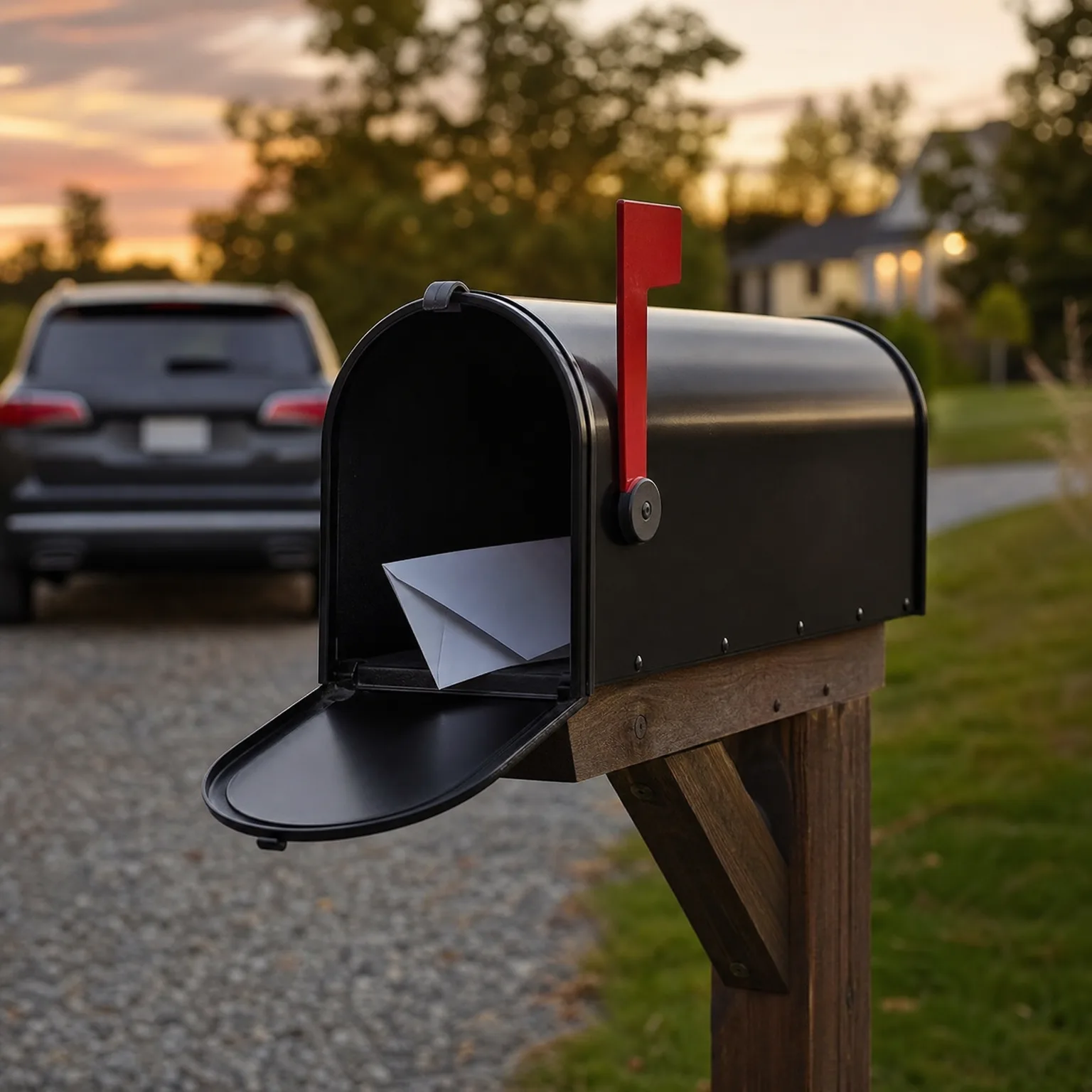
Ohio operates over 200 municipal courts, each with independent collection authority and independent reporting to the Ohio Bureau of Motor Vehicles. When you accumulate unpaid tickets across multiple jurisdictions — say, Cleveland Municipal Court, Columbus Municipal Court, and Akron Municipal Court — each court reports the debt separately to the BMV under Ohio Revised Code § 4510.22. The BMV consolidates these into a single suspension notice mailed to your last known address, but the underlying enforcement remains court-specific. Paying Cleveland does not satisfy Columbus. Satisfying Columbus does not clear Akron.
Most drivers assume the BMV coordinates payment across courts or that clearing the largest balance will lift the suspension. Neither is true. The BMV is a reporting hub, not a collections intermediary. Each court retains independent authority to refuse clearance, demand compliance certificates, or impose payment plan conditions. Until every listed court files an abstract of compliance with the BMV, your suspension remains active. This structure creates a per-court resolution sequence that most drivers discover only after paying one jurisdiction and finding their license still suspended.
The failure mode appears when a driver pays the highest-balance court first, assumes reinstatement is imminent, and drives to work the next day. The BMV record still shows two active municipal court holds. A traffic stop results in a driving-under-suspension charge — now a first-degree misdemeanor under ORC § 4510.11 with up to six months jail time and a $1,000 fine. The original ticket debt compounds into criminal exposure because the driver did not understand that partial payment does not produce partial reinstatement.

Identifying Every Court Holding Your License
The suspension notice mailed by the BMV lists every municipal court that reported unpaid fines. If you no longer have that notice, request a driver abstract from any Ohio BMV office or online via the BMV e-Services portal at bmv.ohio.gov. The abstract costs $5 and displays every active suspension hold, including the court name and case number for each unpaid ticket. Do not rely on memory or partial records — courts often issue bench warrants for failure to appear on tickets you never received notice of, and those warrants trigger suspension holds even when you paid the original ticket.
Some municipal courts participate in the Ohio Courts Network (ocn.ohio.gov), which aggregates case records across participating jurisdictions. Search by your name and date of birth to locate cases in courts you may not remember. Not all courts participate, so a negative search result does not guarantee you have no cases in that jurisdiction. If your driver abstract lists a court but you cannot locate the case online, call the court clerk directly. Municipal court clerk phone numbers are listed on the Supreme Court of Ohio directory at supremecourt.ohio.gov.
Once you identify every court, document the case number, ticket amount, and any additional fees listed on the court's online case management system. Many Ohio municipal courts impose collection agency fees of 10-20 percent if the ticket was referred to third-party collections before you resolved it. These fees are not listed on the original citation and are often the reason a $150 ticket shows a $195 balance at payment time.

The Sequence That Minimizes Reinstatement Delay
Pay the smallest balance first. Ohio municipal courts file compliance abstracts with the BMV within 5-10 business days of payment, but processing delays compound when multiple courts file sequentially. If you pay the largest balance first and wait for that court's abstract to post, then pay the second court and wait again, you add two to three weeks of unnecessary suspension time. Clearing the smallest balance first generates a quick compliance abstract and removes one hold from your BMV record, allowing you to track whether the abstract filing process is working correctly before committing larger sums.
After the first court's abstract posts to your driver record, pay the second-smallest balance. Repeat sequentially until every court hold is cleared. Check your driver abstract online after each payment — the BMV e-Services portal updates abstracts daily. If a court's compliance abstract does not appear within 10 business days of payment, call the court clerk and request confirmation that the abstract was filed. Some courts require a payment receipt or case-disposition paperwork before filing the abstract, especially if the ticket included a court appearance requirement you missed. Do not assume payment alone triggers the abstract.
Once every court hold is cleared from your driver abstract, you still cannot drive. The suspension remains active until you pay the BMV reinstatement fee. Ohio charges a $40 base reinstatement fee under ORC § 4507.1612, payable online, by mail, or in person at any BMV office. If your suspension included a failure-to-maintain-insurance component in addition to the unpaid tickets, the BMV adds a separate Financial Responsibility Act reinstatement fee — typically $100 to $300 depending on the lapse duration. This fee is distinct from the ticket debt and the base reinstatement fee. The BMV does not waive reinstatement fees for any reason, including financial hardship.
Payment Plan Mechanics Across Multiple Courts
Most Ohio municipal courts allow payment plans for unpaid tickets, but each court sets its own terms and each plan must be arranged separately. Cleveland Municipal Court may offer 12-month plans with no setup fee. Columbus Municipal Court may cap plans at six months and charge a $25 plan setup fee. Akron Municipal Court may require 50 percent down and refuse plans for tickets over two years old. There is no statewide payment-plan framework. You negotiate each plan individually with each court clerk.
Entering a payment plan with one court does not lift the suspension for that court's hold until the plan is paid in full. The court files a compliance abstract only after the final payment is received. If you enter payment plans with three courts simultaneously, your suspension remains active until all three plans are completed — potentially six to 12 months from now. During that time, you cannot drive legally unless Ohio grants you Limited Driving Privileges.
Limited Driving Privileges in Ohio are court-granted, not BMV-granted, and are available for unpaid-ticket suspensions only in limited circumstances. ORC § 4510.021 allows courts to grant LDP for drivers suspended under financial-responsibility or court-ordered suspensions, but municipal courts are not required to offer LDP for unpaid tickets and many refuse. If your county's court of common pleas or the municipal court that issued the suspension declines to grant LDP, your only option is to complete the payment plans and wait. Driving on a suspended license while on a payment plan is still driving under suspension and carries the same first-degree misdemeanor penalties.

Clear the Suspension and Get Covered Again
Get My Reinstatement Quote
What Happens If You Miss a Payment Plan Installment
Missing a single payment plan installment with any Ohio municipal court immediately voids the plan and reactivates the full balance owed. Most courts do not send reminder notices before voiding the plan. The court refers the balance back to collections, imposes additional fees, and the suspension hold remains in place. If the court had not yet reported the suspension to the BMV because you entered a plan before the referral deadline, the court now reports it, adding a new hold to your driver record.
If you miss a payment and realize it within 7-10 days, call the court clerk immediately and request plan reinstatement. Some courts allow one missed payment per plan with a reinstatement fee of $10 to $25. Other courts refuse to reinstate and require you to negotiate a new plan from scratch, often with stricter terms. Do not assume you can catch up with a double payment next month — most Ohio municipal courts enforce strict plan-voiding policies.
The compounding effect is severe when you are managing payment plans with multiple courts. Missing one payment with Cleveland does not affect your Columbus or Akron plans directly, but it extends your total suspension duration because Cleveland's hold remains active. If you know you cannot meet a payment deadline, contact the court clerk at least five business days before the due date and request a one-month extension. Some courts grant one extension per plan at no additional cost. Other courts refuse extensions but allow you to pause the plan for 30 days if you can demonstrate financial hardship — typically by submitting pay stubs or unemployment benefit statements.

Clearance Confirmation Before You Pay the BMV Reinstatement Fee
Before paying the $40 BMV reinstatement fee, verify that every municipal court hold has been removed from your driver abstract. Log into the BMV e-Services portal at bmv.ohio.gov and download your current driver abstract. The abstract should show zero active suspensions related to unpaid tickets. If any court hold remains, do not pay the reinstatement fee yet. The BMV does not refund reinstatement fees if you pay prematurely and discover an unresolved hold afterward.
If your abstract shows all court holds cleared but the suspension status still reads "active," call the BMV reinstatement unit at 614-752-7600. In some cases, the BMV's internal processing lags behind the abstract update by 24 to 48 hours. The reinstatement unit can confirm whether the clearance has been processed internally and whether paying the fee will immediately lift the suspension or whether you need to wait for batch processing to complete.
Once you pay the reinstatement fee, the BMV processes reinstatement within 1-2 business days if you pay online. In-person payments at a BMV office are processed immediately and your driving privileges are restored before you leave the office. Mail-in payments take 7-10 business days to process. If you need to drive for work immediately, pay in person at a BMV office and request a receipt confirming reinstatement. Do not rely on the payment confirmation email as proof of reinstatement — officers cannot verify reinstatement status from an email. Carry the BMV-issued receipt until your new license or state ID is issued.
Insurance Requirements After Unpaid-Ticket Reinstatement
Unpaid-ticket suspensions in Ohio do not typically trigger SR-22 filing requirements. SR-22 is required for OVI convictions, uninsured-driving violations, and certain repeat offenses under ORC § 4509.45, but financial-cause suspensions — tickets, fines, and court debt — do not fall under the Financial Responsibility Act. If your suspension was purely unpaid tickets with no insurance lapse or uninsured-driving component, you do not need to file SR-22 to reinstate.
You do need active minimum liability coverage before you drive. Ohio requires $25,000 bodily injury per person, $50,000 bodily injury per accident, and $25,000 property damage coverage under ORC § 4509.51. If your policy lapsed during the suspension period, reinstate it or purchase a new policy before driving. Carriers treat unpaid-ticket suspensions as lower-risk than OVI or points-threshold suspensions, so premium increases are typically modest — 10 to 20 percent for the first policy term, depending on the ticket count and suspension duration.
If your suspension included an insurance lapse in addition to unpaid tickets, SR-22 may be required. Check your BMV suspension notice or driver abstract for any Financial Responsibility Act holds. If FRA language appears, you will need to file SR-22 for three years under ORC § 4509.45. Non-owner SR-22 is available if you do not own a vehicle but need to maintain legal driving status during the filing period. Reinstatement insurance providers in Ohio include Acceptance, Bristol West, Dairyland, Direct Auto, GAINSCO, Geico, National General, Progressive, State Farm, and The General — all write SR-22 and non-owner policies for drivers coming off suspension.
Frequently Asked Questions
Can I pay one Ohio municipal court and get a partial license reinstatement?
No. Ohio does not offer partial reinstatement. Every municipal court holding your license must file a compliance abstract with the BMV before your suspension is eligible for reinstatement. Paying one court clears that court's hold, but your license remains suspended until all courts clear and you pay the BMV reinstatement fee.
How long does it take for an Ohio municipal court to report payment to the BMV?
Most Ohio municipal courts file compliance abstracts with the BMV within 5-10 business days of payment. The BMV updates driver abstracts daily, so you can track clearance online via bmv.ohio.gov. If a court's abstract does not appear within 10 business days, call the court clerk to confirm the abstract was filed.
Will Ohio courts let me enter payment plans for multiple unpaid tickets at once?
Each Ohio municipal court sets its own payment plan terms. You must negotiate a separate plan with each court holding your license. One court may approve a 12-month plan while another caps plans at six months. Payment plans do not lift the suspension until paid in full.
Do I need SR-22 insurance after an unpaid-ticket suspension in Ohio?
Not typically. Unpaid-ticket suspensions do not trigger SR-22 filing requirements under Ohio Revised Code § 4509.45 unless the suspension also included an insurance lapse or uninsured-driving violation. If your suspension was purely unpaid tickets, you need active liability insurance but not SR-22.
What happens if I drive in Ohio before every court hold is cleared?
Driving before every court files a compliance abstract with the BMV is driving under suspension, a first-degree misdemeanor under ORC § 4510.11. Penalties include up to six months jail time, a $1,000 fine, and extended suspension. Partial payment does not produce partial reinstatement.
Can I get Limited Driving Privileges in Ohio while on a municipal court payment plan?
Ohio courts may grant Limited Driving Privileges for unpaid-ticket suspensions, but it is not automatic. ORC § 4510.021 allows courts to grant LDP, but municipal courts are not required to do so. If your county's court declines, your only option is to complete the payment plan before driving legally.
How much does it cost to reinstate an Ohio license after unpaid tickets?
The BMV charges a $40 base reinstatement fee under ORC § 4507.1612. If your suspension included an insurance lapse, the BMV adds a Financial Responsibility Act fee of $100 to $300. These fees are separate from the ticket debt and must be paid after all courts file compliance abstracts.
Related Articles

Ohio Unpaid Ticket Suspension: BMV Reinstatement Fee
5/18/2026

Reinstate Ohio License After Unpaid Court Fines
5/18/2026

Ohio Court Payment Plans for Unpaid Traffic Tickets
5/18/2026

Ohio Unpaid Fines License Suspension: Court to BMV Process
5/18/2026
Reinstating Ohio License After Unpaid Fines Clear
5/18/2026
Ohio Indigent Petition: Clear Court Debt, Reinstate
5/18/2026