
North Dakota Court Debt Suspension: Multi-Court Unpaid Balances
Get My Reinstatement QuoteWhy North Dakota Suspensions Hide Across Multiple Court Systems
North Dakota operates 53 district courts organized into seven judicial districts, and each court tracks its own unpaid traffic ticket debt independently. NDDOT receives suspension triggers from individual courts, not from a centralized debt registry. When you receive a suspension notice citing "unpaid court obligations," the letter rarely lists all courts holding balances—it reflects only the court that initiated the most recent suspension action.
Most drivers assume their suspension ties to the one ticket they remember. The actual problem: three years ago you received a speeding ticket in Cass County District Court, paid half, forgot the remainder. Two years ago a parking violation in Grand Forks Municipal Court went to collections. Last year a failure-to-appear in Burleigh County added a bench warrant fee. Each court reported non-payment to NDDOT separately. Your license suspension reflects the sum of all three actions, but NDDOT's notice may reference only the most recent triggering court.
Reinstatement requires proof of payment or resolution from every court holding a balance. Paying the Burleigh County debt clears that court's hold, but NDDOT will not lift your suspension until Cass County and Grand Forks also confirm closure. The state does not maintain a single "total balance due" portal—you must contact each court independently to identify what you owe and where.

How to Identify Every Court Holding Unpaid Ticket Debt in North Dakota
Start with your NDDOT suspension notice. The letter will name at least one court and case number. Call that court's clerk office and request your full account history, including any unpaid balances, outstanding warrants, or collections referrals. Ask the clerk whether their court reported your case to NDDOT for license action—this confirms the debt is tied to your suspension.
Next, pull your North Dakota driving record abstract from NDDOT. The abstract lists all traffic convictions on your record, including the issuing court and case number for each ticket. Cross-reference every conviction against your payment records. If you cannot confirm payment for a ticket, assume the court still holds a balance until you verify otherwise.
Contact every court listed on your abstract, even if you believe you paid. Courts apply payments to fines first, then fees, then assessments—partial payments often leave small balances that trigger suspension years later. Request a case status letter from each court showing a zero balance or confirming closure. NDDOT requires these letters as proof when you apply for reinstatement. Do not rely on your memory or receipts older than three years—court records are authoritative, your memory is not.


Payment Plans and Indigent Hardship Petitions for Multi-Court Debt
North Dakota district courts allow payment plans for unpaid fines, but each court administers its own plan terms. Cass County may offer six-month installment plans with a $25 setup fee. Burleigh County may require full payment within 90 days. Grand Forks Municipal Court may decline payment plans entirely for parking violations. You must negotiate separately with every court holding debt.
When total debt across multiple courts exceeds $1,500, consider filing an indigent hardship petition in each court. North Dakota Rule of Criminal Procedure 32.1 allows judges to reduce fines or convert unpaid balances to community service for defendants who demonstrate inability to pay. The petition requires documentation: pay stubs, bank statements, proof of dependents, proof of government assistance enrollment if applicable. Each court evaluates your petition independently—one judge may approve, another may deny.
Payment plan enrollment does not automatically lift your suspension. NDDOT requires proof that all courts have either received payment in full or entered a formal payment plan order with a zero default status. If you miss a single installment on any plan, that court will re-report non-compliance to NDDOT and your suspension remains active. Set up automatic payments through each court's online portal to avoid missed deadlines across multiple jurisdictions.

Clear the Suspension and Get Covered Again
Get My Reinstatement QuoteThe North Dakota Temporary Restricted License Option for Unpaid Fines
North Dakota allows drivers suspended for unpaid court debt to apply for a Temporary Restricted License (TRL) if the suspension does not also involve DUI, reckless driving, or points accumulation. The TRL permits driving for work, school, medical appointments, and court-approved essential activities while you resolve your debt.
The application process requires proof of SR-22 insurance (even though unpaid fines do not typically mandate SR-22 for reinstatement—TRL eligibility triggers the requirement independently), proof of employment or essential need, and a completed TRL application submitted to NDDOT Driver License Division. The application fee is not specified in NDDOT fee schedules but typically ranges $25–$50 based on administrative handling. Processing takes 7–14 business days.
Route and time restrictions are defined at issuance and vary by case. NDDOT reviews your work schedule, medical appointment needs, and family obligations, then issues a license valid only for those purposes during specified hours. Driving outside approved routes or times violates TRL terms and triggers immediate revocation plus a separate driving-on-suspended charge. Keep your TRL restriction letter, employer schedule, and medical appointment confirmations in your vehicle at all times—law enforcement will check these during any traffic stop.
Reinstatement Costs and Timeline After Multi-Court Payment
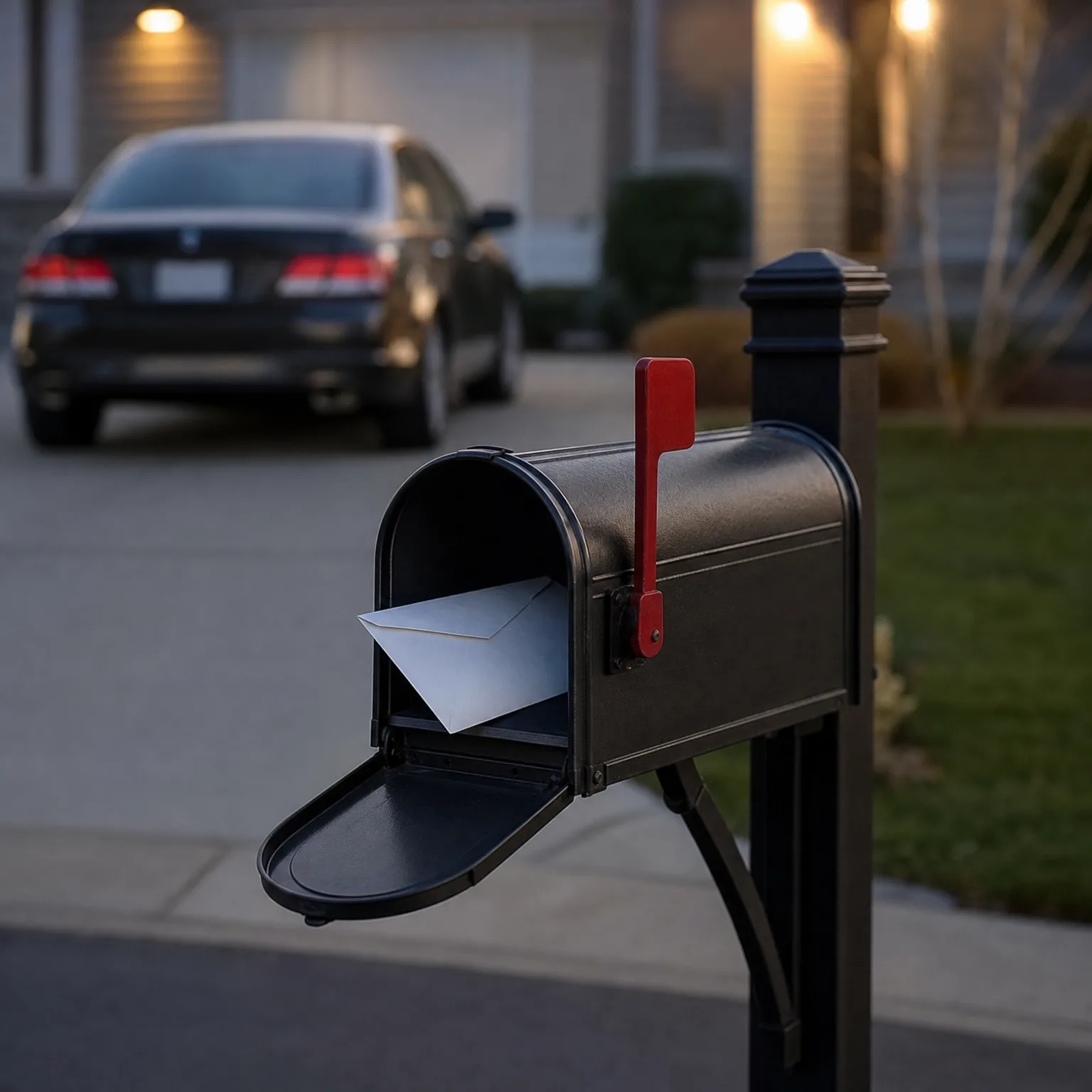
After you pay or settle all court debts, each court must send payment confirmation to NDDOT independently. Courts do not coordinate—Cass County may report within 48 hours, Grand Forks may take 10 business days, Burleigh County may require a manual clerk request. NDDOT will not process your reinstatement application until all courts on your suspension record confirm closure.
The reinstatement fee is $50, paid directly to NDDOT either in person at a driver license site or online through the NDDOT portal. This fee is separate from and in addition to your court debt. If your suspension involved multiple separate actions (e.g., one for unpaid fines, one for failure-to-appear, one for contempt), NDDOT charges $50 per suspension action—total reinstatement cost may reach $150 for three stacked actions.
Total timeline from final court payment to license reinstatement: 14–21 days assuming all courts report promptly and you submit your reinstatement application immediately. Delays occur when courts fail to report, when NDDOT's electronic system does not register the court's closure confirmation, or when you forget to request formal closure letters from each court. Obtain written proof of payment from every court and submit copies with your reinstatement application to avoid processing delays.
Insurance Requirements for Unpaid Fines Reinstatement in North Dakota
Unpaid traffic ticket suspensions in North Dakota do not typically require SR-22 filing for reinstatement—the suspension cause is debt, not driving behavior or insurance lapse. NDDOT requires proof of minimum liability coverage meeting North Dakota's $25,000/$50,000/$25,000 limits plus mandatory PIP (personal injury protection) as a no-fault state requirement and uninsured motorist coverage.
If you applied for a Temporary Restricted License during your suspension, SR-22 becomes mandatory for TRL eligibility even though it is not required for final reinstatement. The SR-22 filing demonstrates financial responsibility during the restricted-license period. Once you pay all court debt and move to full reinstatement, the SR-22 requirement typically ends unless NDDOT specifies otherwise in your reinstatement conditions letter.
Carriers writing standard and non-standard auto policies in North Dakota include State Farm, Progressive, Geico, Nationwide, and The General. Expect monthly premiums in the $85–$140 range for minimum liability plus PIP if your record shows only unpaid fines—no DUI, no at-fault accidents, no uninsured driving. Drivers with compounded violations (unpaid fines plus driving on suspended) will face higher premiums and may require non-standard auto coverage. Compare quotes before applying for reinstatement to confirm coverage availability and cost.
Frequently Asked Questions
How do I find out which courts in North Dakota are holding unpaid ticket balances against my license?
Request your driving record abstract from NDDOT—it lists every traffic conviction with the issuing court and case number. Call each court's clerk office and ask for your account status and any unpaid balances. Courts do not share data with each other, so you must contact every jurisdiction listed on your abstract independently.
Can I get a restricted license in North Dakota while I'm suspended for unpaid fines?
Yes. North Dakota offers a Temporary Restricted License (TRL) for unpaid fines suspensions if your record does not also involve DUI, reckless driving, or excessive points. You must provide proof of SR-22 insurance, employment or essential need documentation, and pay a TRL application fee to NDDOT Driver License Division.
Does paying one court's unpaid ticket lift my North Dakota license suspension?
No. NDDOT requires payment confirmation from every court holding a balance tied to your suspension. If three courts reported unpaid debts, all three must confirm closure before NDDOT will process your reinstatement application. Paying one court clears that court's hold only.
Do I need SR-22 insurance to reinstate my North Dakota license after unpaid traffic tickets?
Unpaid fines suspensions typically do not require SR-22 for reinstatement—the suspension cause is debt, not driving behavior. You need proof of minimum liability, PIP, and uninsured motorist coverage. SR-22 is required only if you applied for a Temporary Restricted License during suspension or if your case involved compounded violations.
How much does it cost to reinstate a North Dakota license suspended for unpaid court debt?
NDDOT charges a $50 reinstatement fee per suspension action. If your suspension involved multiple separate actions (e.g., unpaid fines plus failure-to-appear), you pay $50 per action. This fee is separate from and in addition to the court debt you must pay to each jurisdiction.
Can North Dakota courts reduce or waive unpaid fines if I can't afford to pay?
Yes. North Dakota Rule of Criminal Procedure 32.1 allows judges to reduce fines or convert balances to community service for defendants who demonstrate inability to pay. File an indigent hardship petition in each court holding debt, supported by pay stubs, bank statements, and proof of dependents or government assistance.
What happens if I drive on a suspended license in North Dakota while I have unpaid fines?
Driving on a suspended license is a separate Class B misdemeanor in North Dakota, punishable by up to 30 days in jail and fines up to $1,500. A conviction adds a new suspension period to your existing suspension and may disqualify you from Temporary Restricted License eligibility.
Related Articles

ND Unpaid Fine Suspension: Payment Plan & Reinstatement
5/18/2026

ND Court Payment Plans for Ticket Debt Suspensions
5/18/2026

SD Court Debt Suspension: Find All Unpaid Balances
5/18/2026

SD Court Payment Plans After Unpaid Tickets
5/18/2026

Nevada Court Debt Suspension: Find All Unpaid Balances
5/18/2026

SD Unpaid Fines Suspension: Payment Plans & Reinstatement
5/18/2026