
Pay-in-Full vs Payment Plan for California Unpaid Fines
Get My Reinstatement QuoteCalifornia Ended Most Unpaid-Fine Suspensions in 2017
California Vehicle Code 13365 and 13365.2 historically allowed courts to report unpaid traffic fines to the DMV, triggering automatic license suspension. Assembly Bill 103 (2017) repealed these provisions for most cases, eliminating the debt-suspension pathway for new violations. If you received a traffic ticket after January 1, 2018, your license cannot be suspended solely for failure to pay the fine.
The reform does not erase older suspensions. If your license was suspended for unpaid fines before the 2017 cutoff, the suspension remains active until you resolve the underlying court debt and request reinstatement from the DMV. California DMV cannot lift the suspension independently—the court that issued the original fine must clear the debt hold first.
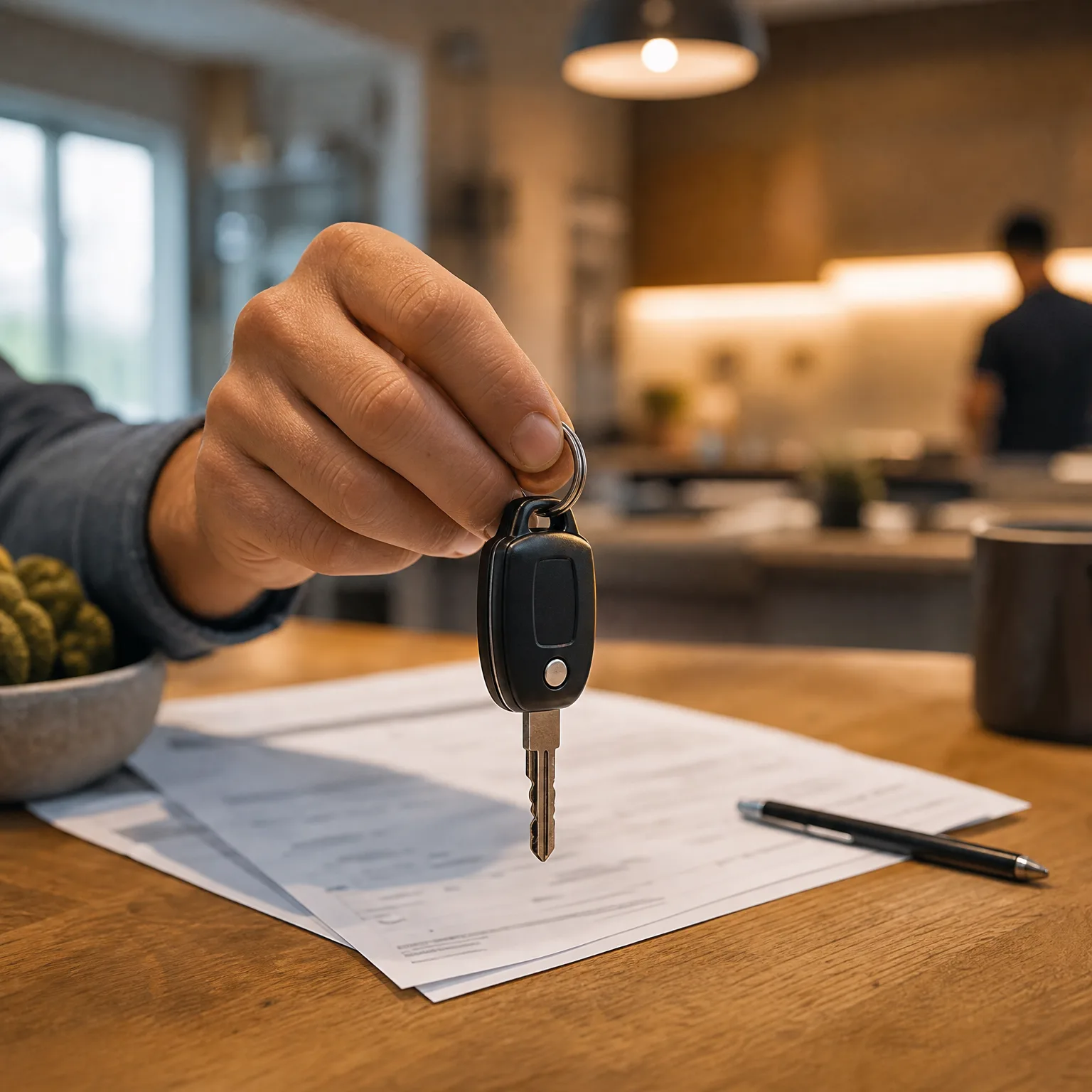
Pre-reform suspensions still appear on driving records and block reinstatement. You need to identify which court issued the original fine, pay or settle the debt, obtain a clearance form from the court, and submit that clearance to DMV with the $55 reissue fee. No hardship license pathway exists for fines-cause suspensions in California—resolve the debt or the suspension continues.
How to Identify Total Debt Across Courts
California has 58 counties, each with superior courts managing traffic divisions independently. If you accumulated tickets across multiple counties, each court tracks its debt separately. The DMV suspension notice lists the court that reported the suspension, but not necessarily all courts holding unpaid balances.
Call the court listed on your DMV suspension notice first. Ask for your total outstanding balance, the original ticket citation numbers, and whether the court offers payment plans. If you had tickets in other counties, contact each court's traffic division directly—most provide online case lookup by driver's license number or name. Consolidate the list: total debt, court name, citation numbers.
Many drivers underestimate their total. A $300 ticket compounds to $600 after civil assessment penalties (California Penal Code §1214.1 authorized $300 civil assessments for unpaid traffic debt until 2018 reforms scaled them back). Add late fees, collection charges, and administrative holds. The number you owe today is not the original ticket amount.
Pay-in-Full Benefits: Immediate Clearance, No Interest
Paying the full balance to the court clears the hold immediately. The court issues a clearance form (often called an Abstract of Record or Proof of Compliance) within 5 to 10 business days. You submit that clearance to DMV with the $55 reissue fee, and DMV processes reinstatement within 7 to 14 days from receipt. Total timeline: 2 to 4 weeks from payment to reinstated license.
No interest accrues after you pay. No setup fees. No monthly administrative charges. You close the file. If you have cash reserves, savings, or access to a personal loan with favorable terms, pay-in-full is the fastest path and often the cheapest over the full cycle.
The tradeoff is immediacy. If you don't have $1,200 liquid and payday is two weeks away, a payment plan bridges the gap. Weigh the delay cost—every week without a license is lost wages, Uber fares, or asking favors. For many readers, the decision hinges on whether work transportation is blocked today.
Payment Plan Structure: Monthly Installments, Court Approval Required
California courts offer payment plans under Penal Code §1205(a) for traffic debt. Most courts allow installment agreements if you demonstrate inability to pay in full. Plan terms vary by county: some courts require $50 minimum monthly payments, others require 10% down and equal monthly installments over 6 to 12 months. Setup fees range from $0 to $50 depending on county.
The court will not clear the suspension hold until the final payment is made. You remain suspended for the duration of the plan. If your job depends on driving, a payment plan extends the hardship rather than resolving it. If you can arrange alternative transportation—rideshare, carpool, bike commute—a plan spreads the financial load without requiring a lump sum.
Missed payments restart penalties. If you default on the plan, the court typically re-adds civil assessments and collection charges, pushing your balance higher than it was before you started. Courts are not required to offer second-chance plans. Set up the payment plan only if your monthly budget genuinely supports it.

Clear the Suspension and Get Covered Again
Get My Reinstatement Quote
Indigent Hardship Petition: Does California Allow Fine Reduction?
California Penal Code §1205 allows courts to reduce or vacate traffic fines if the defendant proves inability to pay. The court evaluates income, dependents, housing costs, and monthly expenses. If approved, the court may reduce the fine to the statutory minimum, waive late fees and civil assessments, or convert the balance to community service hours.
Filing a hardship petition requires appearing at the court that issued the original ticket, either in person or by written declaration depending on county rules. Bring documentation: recent pay stubs, bank statements, rent receipts, utility bills, proof of government assistance (CalFresh, Medi-Cal, SSI). Most counties provide a Request to Reduce or Waive Court Fees and Fines form (FW-001) available online.
Approval is not guaranteed. Judges assess whether you exhausted reasonable earning capacity and whether your financial situation is temporary or structural. If approved, the court issues a modified judgment reflecting the reduced balance. You pay the reduced amount, the court clears the hold, and you proceed to DMV reinstatement with the clearance form and $55 fee.
Cost Stack: Debt, Reinstatement Fee, and Insurance Impact
Total cost to reinstate breaks into three buckets: court debt, DMV reissue fee, and insurance premium adjustment. Court debt ranges from $200 to $3,000+ depending on ticket count and penalties. California charges a $55 reissue fee under Vehicle Code §14904 once the suspension is cleared. Add those two together for your out-of-pocket reinstatement cost.
Insurance impact for fines-cause suspensions is smaller than DUI or uninsured-driver suspensions because no SR-22 filing is required. California does not mandate SR-22 for unpaid-fine suspensions. Your insurer will see the suspension on your driving record at renewal, but the premium increase typically ranges from 10% to 20%, not the 50% to 100% spike DUI drivers face.
If you let your policy lapse during the suspension, reinstatement becomes more expensive. Driving without insurance during a suspended license period compounds the violation—California Vehicle Code §12500 and §16028 stack penalties. Maintain minimum liability coverage even while suspended to avoid a second administrative action when you reinstate.
Timeline from Payment to Reinstated License
Court clearance processing takes 5 to 10 business days after you pay in full or complete a hardship petition. Some counties mail the clearance form automatically; others require you to request it in person or by phone. Call the court 7 days after payment to confirm clearance was issued and ask for the document reference number.
Submit the clearance form to DMV with the $55 reissue fee. California DMV processes reinstatement within 7 to 14 days from receipt if no other holds exist on your record. If you have multiple suspensions stacked—unpaid fines plus a failure-to-appear hold, for example—each must be cleared independently before DMV will reinstate. Check your full driving record before paying to avoid surprises.
Total timeline: 2 to 4 weeks from final payment to reinstated license if you pay in full. Add 6 to 12 months if you enter a payment plan, because the court will not issue clearance until the last installment is paid. Factor this delay into your transportation and employment decisions.
Frequently Asked Questions
Does California still suspend licenses for unpaid traffic tickets?
No, not for new violations. California repealed Vehicle Code 13365 in 2017, eliminating debt-based suspensions for tickets issued after January 1, 2018. Pre-2018 suspensions remain active until the underlying court debt is resolved and clearance is submitted to DMV.
Can I get a restricted license in California while I pay off unpaid fines?
No. California does not offer hardship or restricted licenses for fines-cause suspensions. You must resolve the debt and reinstate fully before driving legally.
How long does it take DMV to reinstate my license after I pay the court?
California DMV processes reinstatement within 7 to 14 days after receiving the court clearance form and the $55 reissue fee, assuming no other holds exist on your record.
Do I need SR-22 insurance to reinstate after an unpaid-fines suspension?
No. California does not require SR-22 filing for fines-cause suspensions. You need proof of minimum liability coverage when you reinstate, but not the SR-22 certificate.
What happens if I miss a payment on my court payment plan?
The court typically re-adds civil assessments and collection charges, pushing your balance higher than the original amount. Most courts do not offer second-chance plans after default.
Can I reduce the fine amount if I can't afford to pay?
Yes, under California Penal Code 1205. File a hardship petition with the court that issued the ticket, providing income documentation, housing costs, and proof of government assistance. Judges may reduce the fine, waive penalties, or convert the balance to community service.
Related Articles
California Unpaid Fines Suspension Reinstatement Cost
5/18/2026

CA Unpaid Fines Suspension Cost: Fees & Court Debt
5/18/2026
California Unpaid Fines License Suspension
5/29/2026

CA Unpaid Fines Suspension: No Hardship Path Available
5/18/2026

CA VC 13365 Reforms: Unpaid Fines Suspension Repeal
5/18/2026

CA Indigent Petition for Court Debt: Post-Reform Guide
5/18/2026