
Kentucky Unpaid Fine Suspension: Court Payment Plans & Reinstatement
Get My Reinstatement QuoteHow Kentucky's Unpaid Fine Suspension System Works Through the Transportation Cabinet
Kentucky suspends driver licenses for unpaid traffic fines through an administrative process managed by the Kentucky Transportation Cabinet (KYTC), Division of Driver Licensing. When a District Court reports an unpaid fine or failure to satisfy a judgment, KYTC issues a suspension notice by certified mail to your last known address. You typically have 10 days from receipt to either pay the debt or file a court petition before the suspension takes effect.
This is an administrative suspension under KRS 186.560, distinct from any judicial suspension a judge imposes at sentencing. Both can run concurrently. If you owe money to multiple District Courts across different counties, each court reports separately to KYTC. The Transportation Cabinet does not consolidate your debts—it suspends based on the aggregate reporting it receives.
Kentucky does not operate a centralized ticket debt portal. You must contact each court individually to determine what you owe. Jefferson County (Louisville) and Fayette County (Lexington) maintain online case lookup systems; rural counties often require phone contact or in-person visits to the clerk's office. Most drivers underestimate their total debt because they forget tickets from counties they passed through years ago.
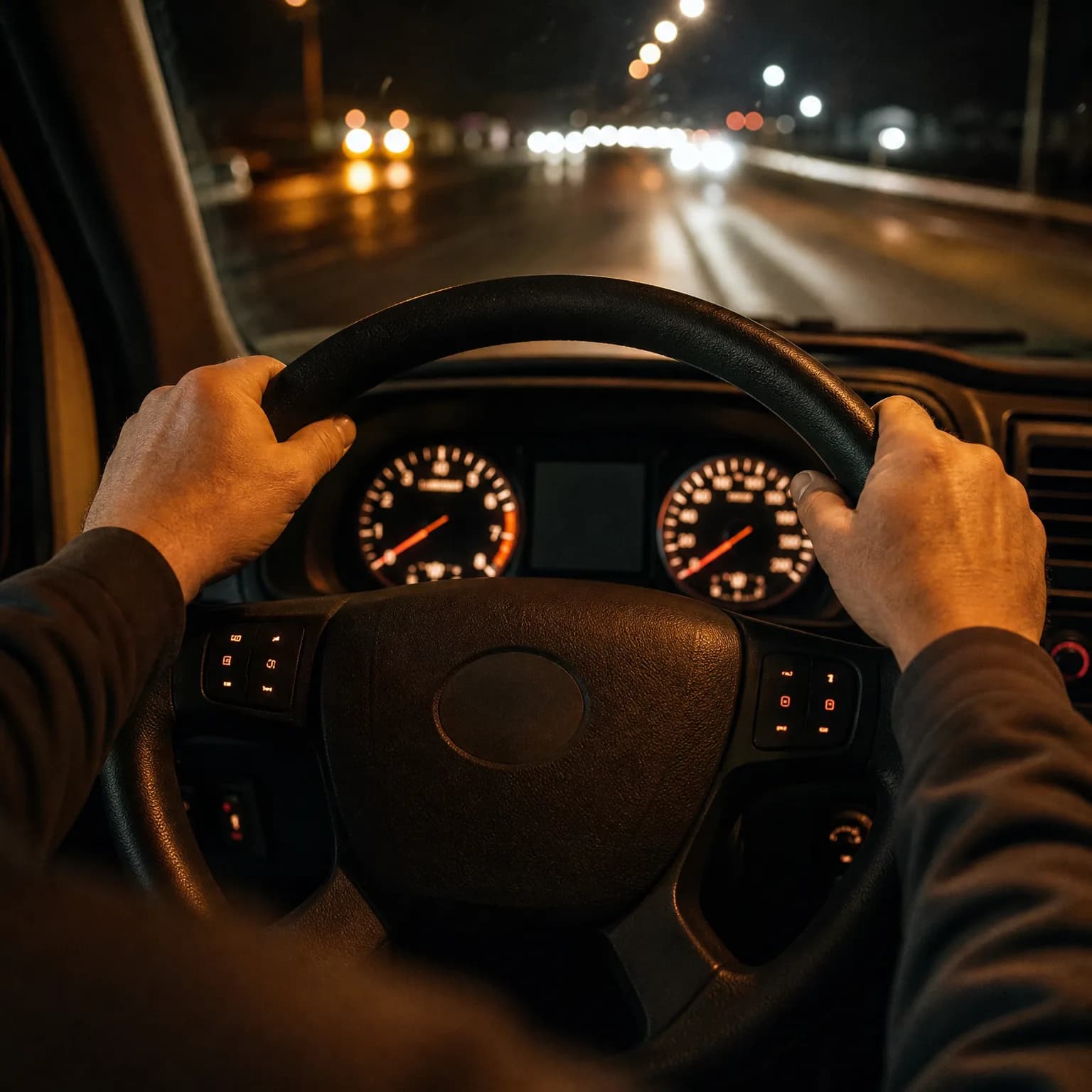
Kentucky District Courts Allow Payment Plans, But You Must Petition Each One Separately
Kentucky law permits District Courts to approve payment plans for traffic fines under KRS 534.060 and local court rules. Most courts allow monthly installments if you file a formal petition demonstrating hardship. The petition process is county-specific: some courts use standardized forms available at the clerk's office, while others require a written statement and supporting documentation (pay stubs, utility bills, proof of unemployment).
The critical trap: each District Court operates independently. If you owe $600 to Jefferson County, $400 to Fayette County, and $200 to Boone County, you must file three separate petitions. Paying off one court does not lift the suspension if the other courts still report unpaid balances to KYTC. Drivers who resolve their largest debt first often discover their license remains suspended because they overlooked a $150 ticket from a rural county.
Payment plan terms vary by court and debt size. Typical arrangements range from $50 to $150 per month over 6 to 18 months. Courts may charge a setup fee (typically $25 to $50) and require an initial down payment of 10% to 20% of the total balance. Missing a single payment can trigger default, which restarts the suspension process even if you've been paying for months.


Hardship License Eligibility for Unpaid Fine Suspensions in Kentucky
Kentucky's Hardship License program is available to drivers with unpaid fine suspensions, but only through a District Court petition—not through KYTC directly. You file the petition in the same court where your underlying case was heard. The court has discretion to grant driving privileges for work, school, medical appointments, or court-approved purposes while you satisfy the debt through a payment plan.
The petition requires proof of hardship (employment records, school enrollment, or medical necessity documentation), proof of SR-22 insurance, and payment of applicable court costs. Because applications go through individual District Courts, processing times and specific filing fees vary by county. Jefferson County and Fayette County may have different administrative procedures than rural district courts.
Once granted, the hardship license allows court-defined travel—typically limited to specific hours and routes necessary for approved purposes. Kentucky's 2020 SB 133 created the Ignition Interlock License (IIL) as a distinct alternative for DUI offenders, but this does not apply to unpaid fine suspensions unless your underlying case involved alcohol. For fines-only suspensions, the traditional hardship license through court petition is your pathway. The hardship license does not erase your debt—it allows restricted driving while you complete the payment plan.
Kentucky Reinstatement Process After Paying Court Fines
After satisfying all court debts, you must pay a $40 reinstatement fee to KYTC to restore your full driving privileges. The fee is separate from your ticket totals and cannot be included in court payment plans. Kentucky charges this fee for administrative suspensions; if you also have a judicial suspension running concurrently, you may owe additional reinstatement fees.
KYTC does not automatically reinstate your license when courts report payment satisfaction. You must affirmatively request reinstatement by submitting proof of payment from each court and paying the $40 fee. The Kentucky Online Gateway (KOG) at drive.ky.gov offers online reinstatement eligibility checks and payment for qualifying suspension types, reducing the need for in-person visits in straightforward cases. Rural residents without reliable internet access can visit their county circuit court clerk's office to process reinstatement in person.
Processing time varies by method. Online submissions through KOG typically clear within 3 to 5 business days. In-person submissions at a circuit court clerk's office may clear same-day if all documentation is complete. Mail submissions can take 10 to 14 business days. Kentucky does not impose a mandatory written or driving retest as a blanket reinstatement condition for standard suspensions, though examiners retain discretion to order retests for certain medical or competency-related cases.

Clear the Suspension and Get Covered Again
Get My Reinstatement Quote
Total Cost Stack: Court Debt, Payment Plan Fees, and Reinstatement
Kentucky drivers facing unpaid fine suspensions typically confront a three-part cost structure. First: the ticket debt itself, which ranges from $200 to $3,000+ depending on the number of violations and counties involved. Second: court costs and payment plan setup fees, typically $25 to $50 per court if you petition for installment terms. Third: the $40 KYTC reinstatement fee once all debts are satisfied.
If you qualify for a hardship license while resolving debt, add court filing costs (varies by county, typically $50 to $100) and SR-22 insurance premiums. SR-22 is required even for fines-only suspensions if you're applying for hardship driving privileges. Kentucky requires SR-22 maintenance through the Kentucky IID program for the duration of the suspension period, though this typically applies to DUI cases rather than fines-only suspensions. Verify SR-22 requirements with your District Court during the hardship petition process.
Drivers who resolve debt through payment plans avoid the immediate full-amount cash requirement but pay over time. A $1,200 debt resolved through a 12-month plan at $100/month, plus $40 setup fee and $40 reinstatement fee, totals $1,280. Add SR-22 insurance premiums if you're driving on a hardship license during the repayment period. Most drivers underestimate the reinstatement fee because courts do not mention it during payment plan negotiations—it's an administrative fee collected by KYTC, not the courts.

Insurance Impact and SR-22 Filing for Unpaid Fine Suspensions
Unpaid fine suspensions in Kentucky do not typically trigger mandatory SR-22 filing requirements unless you apply for a hardship license. If you resolve your debt and pay the reinstatement fee without seeking interim driving privileges, you can reinstate with standard liability coverage meeting Kentucky's minimum requirements: $25,000 bodily injury per person, $50,000 bodily injury per accident, and $25,000 property damage.
If you apply for a hardship license while paying off court debt, Kentucky requires proof of SR-22 insurance as part of the petition. The KYTC requires SR-22 filing separately from the court's hardship approval. Carriers licensed to write SR-22 in Kentucky include Geico, Progressive, Dairyland, Bristol West, National General, and State Farm. Standard-tier carriers may decline hardship-license applicants or charge elevated premiums due to the suspension history.
SR-22 premiums in Kentucky for unpaid fine suspensions typically range from $35 to $75 per month for minimum liability coverage, depending on your age, county, and driving history beyond the fines. This is lower than SR-22 premiums for DUI or uninsured driving suspensions because unpaid fines do not signal behavioral risk in the same way. Carriers view fines-only suspensions as financial-cause events rather than driving-behavior risk. Once your hardship period ends and you reinstate fully, you can drop the SR-22 filing and revert to standard coverage.
What Happens If You Drive on a Suspended License While Fines Are Unpaid
Kentucky treats driving on a suspended license as a Class B misdemeanor under KRS 186.620, punishable by fines up to $500 and potential jail time. If caught driving during an unpaid fine suspension, you add a new criminal charge on top of your existing debt. This compounds your problem: you now owe the original fines, the new driving-on-suspended fine, and you face a longer suspension period once the court reports the new conviction to KYTC.
Some drivers assume that because their suspension was fines-related rather than DUI-related, enforcement is lenient. Kentucky state troopers and local police run routine license checks during traffic stops regardless of the suspension cause. A fines-only suspension appears on the same enforcement database as a DUI suspension. Officers do not distinguish between suspension types at the roadside—they see "suspended" and issue a citation.
If you cannot afford to resolve your court debt immediately and do not qualify for a hardship license, your safest path is to arrange alternative transportation (rideshare, public transit, carpooling) until you complete a payment plan and reinstate. Driving on a suspended license while negotiating payment plans with courts undermines any hardship petition you later file. Courts view continued illegal driving as evidence that you are not taking the suspension seriously, which reduces your chances of obtaining restricted driving privileges.
Frequently Asked Questions
Can I get a hardship license in Kentucky while I'm still paying off court fines?
Yes. Kentucky allows hardship licenses for unpaid fine suspensions through District Court petition. You must demonstrate hardship, provide proof of SR-22 insurance, and pay court costs. The hardship license allows court-defined travel for work, school, or medical appointments while you complete a payment plan.
Do I need SR-22 insurance to reinstate my Kentucky license after paying unpaid fines?
Not if you resolve your debt and reinstate without seeking interim driving privileges. SR-22 is required only if you apply for a hardship license during the debt-resolution period. Once you pay all court debts and the $40 KYTC reinstatement fee, you can reinstate with standard liability coverage.
How do I find out all the courts where I owe money in Kentucky?
Kentucky does not operate a centralized ticket debt portal. You must contact each District Court individually. Jefferson and Fayette counties maintain online case lookup systems; rural counties typically require phone contact or in-person visits to the clerk's office. Most drivers underestimate their total debt by forgetting tickets from counties they passed through years ago.
What happens if I pay off one court but still owe another court in Kentucky?
Your suspension remains active until all courts report payment satisfaction to KYTC. Each District Court reports independently. Paying your largest debt does not lift the suspension if smaller debts remain unpaid in other counties. You must resolve all debts across all jurisdictions before you can reinstate.
How long does Kentucky reinstatement take after I pay my court fines?
Online submissions through the Kentucky Online Gateway (drive.ky.gov) typically clear within 3 to 5 business days. In-person submissions at a circuit court clerk's office may clear same-day if documentation is complete. Mail submissions can take 10 to 14 business days.
Can I set up a payment plan directly with KYTC for my reinstatement fee?
No. The $40 KYTC reinstatement fee is due in full when you request reinstatement. Payment plans are available only through District Courts for your underlying ticket debt. The reinstatement fee is an administrative charge separate from court fines and cannot be included in court payment plans.
Will my insurance rates go up permanently after an unpaid fine suspension in Kentucky?
Most carriers treat unpaid fine suspensions as lower-risk events than DUI or uninsured driving suspensions because they signal financial hardship rather than dangerous driving behavior. Once you reinstate and maintain continuous coverage for 6 to 12 months, rates typically decrease. SR-22 premiums drop immediately once you no longer need the filing.
Related Articles

Court Payment Plans for Unpaid Tickets in Kentucky
5/18/2026

KY Unpaid Fines Reinstatement: Court Debt + DMV Fee Stack
5/18/2026

Kentucky Court Debt Suspension: Multi-Court Lookups
5/18/2026
Kansas Ticket Debt Payment Plan: Lift Your Suspension
5/18/2026

TN Unpaid Fines Reinstatement Cost: Court + DMV Fees
5/18/2026

Clear Unpaid Tickets to Lift License Suspension in TN
5/18/2026