
Multi-Court Payment Plans for Unpaid Tickets Across Counties
Get My Reinstatement QuoteWhy Each County Requires a Separate Payment Arrangement
Each county court operates an independent debt collection system. When your license suspension lists unpaid tickets from three counties, those are three separate debts held by three separate court clerks, each reporting independently to the state DMV. The suspension notice consolidated them into one administrative action, but the underlying debts remain jurisdictionally separate.
You cannot call the DMV and set up a single payment plan that covers all counties. The DMV issued the suspension based on debt reports it received, but the DMV does not collect ticket debt—the courts do. Each court clerk must receive payment or approve a payment plan independently before they will send a clearance notice to the state.
Most states require clearance from every reporting court before the DMV will lift the suspension, even if you pay 90 percent of the total debt. One unpaid $150 ticket in a third county will keep your license suspended after you've paid $2,000 to the other two jurisdictions.
How to Identify Total Debt Across All Jurisdictions
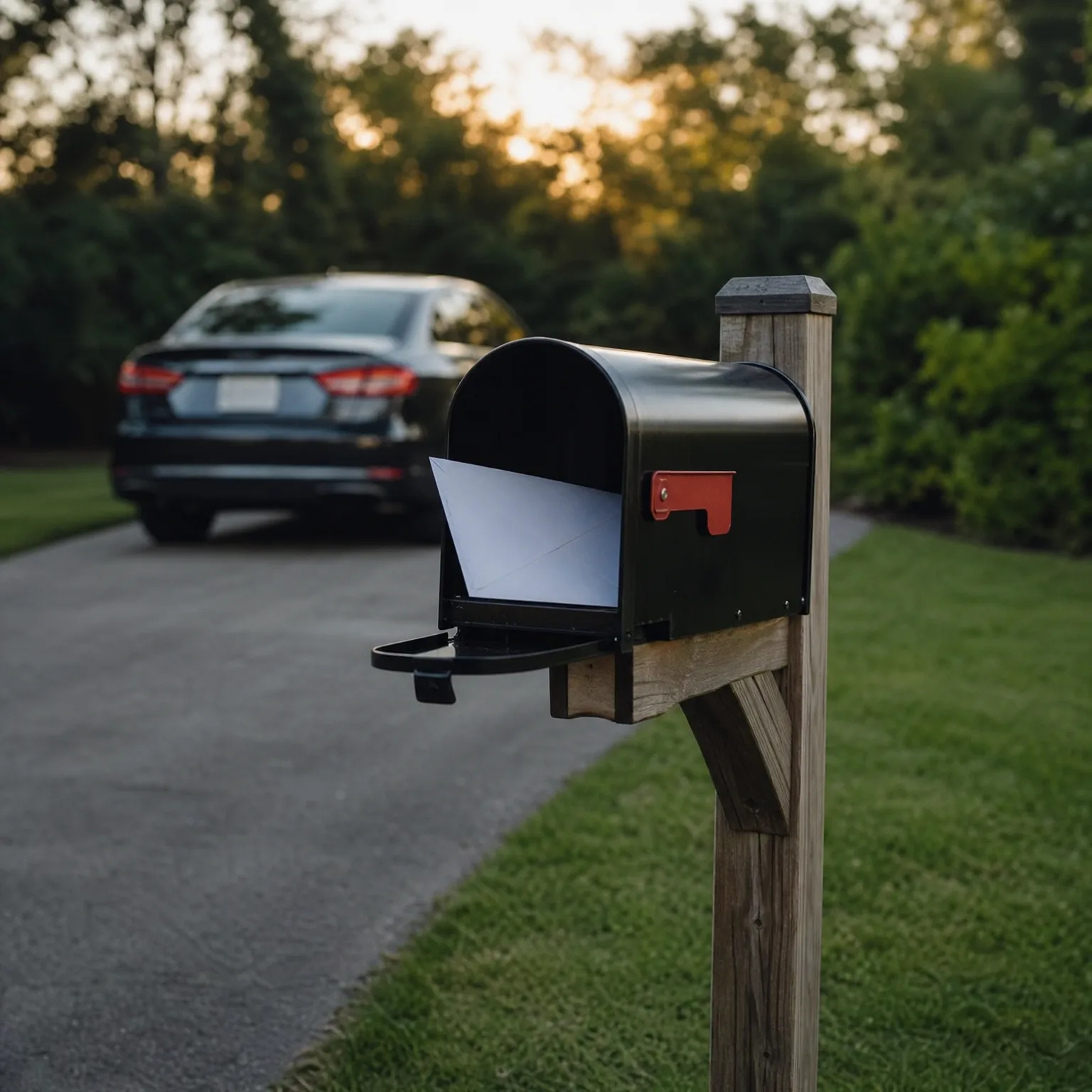
Your suspension notice lists the case numbers and counties, but it rarely lists exact amounts owed. Contact each county's traffic court clerk directly—by phone or through their online case lookup portal if available. Provide your full name, date of birth, and driver license number.
Ask for the total balance due on each case number, broken down into fine, court costs, and late fees. Some counties add collection agency fees if the debt aged past 90 days. Write down the contact name, phone number, and the exact balance quoted. You need this documentation for the next step.
If a county uses a third-party collections vendor, the clerk will provide that vendor's contact information. The vendor holds payment authority, but the court still issues the clearance notice to the DMV. Pay or petition the vendor, not the court directly, in those cases.


Setting Up Payment Plans With Multiple Courts Simultaneously
Call each court clerk and ask whether they offer payment plans for traffic debt. Most counties allow plans for balances over $200, but terms vary. Some require 25 percent down, some require 50 percent down, and some allow zero-down plans if you qualify for indigent status.
Each county will require a separate payment plan application. Do not assume one county's approval transfers to another. If County A approves a $50/month plan and County B requires $75/month minimum, you cannot negotiate cross-county. Budget for the sum of all minimums.
Some courts will issue a provisional clearance to the DMV once you make the first payment and sign the agreement. Others will not issue clearance until the balance is paid in full. Ask explicitly: "Does signing this payment plan allow the DMV to lift my suspension, or do I need to pay the full balance first?" The answer determines whether this path gets you driving again or simply prevents additional penalties.
Indigent Hardship Petitions When You Cannot Afford All Plans
If the combined monthly payment exceeds what you can afford, ask each court about indigent hardship petitions. Most states allow courts to reduce fines, waive late fees, or convert balances to community service hours for drivers who qualify financially.
You must file a separate petition in each county. Attach proof of income (pay stubs, benefit statements, tax return), proof of expenses (rent receipt, utility bills), and a brief statement explaining why the debt became unmanageable. Courts evaluate ability to pay, not fault for the original ticket.
Approval timelines vary. Some counties decide within two weeks, others take 45 days. If one county approves a reduction and another denies, you still owe the full amount in the denying county. Partial relief does not eliminate the multi-court coordination burden—it just lowers the total cost.

Clear the Suspension and Get Covered Again
Get My Reinstatement Quote
Hardship License Eligibility While Resolving Multi-Court Debt
Six states—Michigan, Minnesota, Oklahoma, Texas, Virginia, and Wisconsin—explicitly allow hardship driving during the debt-resolution period for unpaid-fines suspensions. If you live in one of those states and have entered payment plans with all reporting courts, you may qualify for a hardship license before paying the full balance.
In Texas, the program is called an occupational driver's license. You must file a petition in the county where you live, attach payment plan agreements from all courts holding your debt, and pay the application fee. The judge reviews whether you've made good-faith arrangements with all creditors. Approval typically takes 10 to 20 days.
In states outside that six, hardship programs are generally closed to fines-cause drivers. Your only path is to complete all payment plans or pay balances in full, then request reinstatement. Verify current rules with your state's DMV—policy varies and changes periodically.

Reinstatement Costs After All Courts Issue Clearances
Once every court sends a clearance notice to the DMV, you must still pay a reinstatement fee to restore your license. This fee is separate from ticket debt and payment plan costs. It ranges from $50 in states like Iowa to $200 or more in states like California and New York.
Some states require an in-person DMV visit to process reinstatement; others allow online submission once clearances post to your driving record. Processing time after payment typically runs 3 to 10 business days. If you need to drive immediately, ask whether your state offers same-day reinstatement at a physical DMV office.
SR-22 filing is not typically required for unpaid-fines suspensions. This suspension type is debt-collection, not driving-behavior. Unless your suspension notice explicitly lists SR-22 as a reinstatement condition, do not purchase SR-22 coverage—you would be paying for a filing you do not need. Verify your specific case with the DMV before quoting high-risk policies.
What Happens If You Drive During a Multi-County Suspension
Driving on a suspended license compounds your situation into a criminal charge in most states. If you are stopped, the officer will arrest you or issue a criminal summons. Conviction adds jail time, additional fines, and an extended suspension period on top of the unpaid-fines suspension you are already serving.
The new charge will appear on your driving record and typically triggers SR-22 or FR-44 filing requirements even though the original suspension did not. Insurance carriers view driving-on-suspended as high-risk behavior. Premiums after conviction often double or triple your prior rate.
If you need to drive for work during the debt-resolution period and your state does not allow hardship driving for fines-cause suspensions, the only legal path is to complete payment plans faster, request indigent reduction, or arrange alternative transportation. Driving illegally creates a costlier problem than the ticket debt you are trying to resolve.
Frequently Asked Questions
Can I pay one county's tickets first and get partial reinstatement?
No. Most states require clearance from every court that reported unpaid debt before the DMV will lift the suspension. Paying two counties but leaving one unpaid keeps your license suspended until all debts are cleared or under approved payment plans.
What if I cannot afford the combined minimum payments from all three counties?
File indigent hardship petitions in each county separately. Attach proof of income and expenses. Courts may reduce fines, waive late fees, or convert balances to community service if you demonstrate financial hardship. Approval is not automatic—each court decides independently.
Do I need SR-22 insurance after an unpaid-tickets suspension?
Typically no. SR-22 is not required for fines-cause suspensions in most states. Verify your specific suspension notice—if it does not list SR-22 as a reinstatement condition, standard liability coverage is sufficient after you pay the reinstatement fee.
How long does it take to get my license back after all courts issue clearances?
Processing typically takes 3 to 10 business days after you pay the reinstatement fee. Some states allow same-day reinstatement at a physical DMV office. Others require waiting for clearances to post electronically before you can submit the reinstatement application online.
Can I consolidate all ticket debt into one payment plan through the DMV?
No. The DMV does not collect ticket debt. Each county court holds its own debt independently. You must arrange separate payment plans with each court clerk or collections vendor before the DMV will consider lifting the suspension.
What happens if one county denies my payment plan request?
You must pay that county's balance in full or file an indigent hardship petition. Even if other counties approved plans, the suspension remains active until every reporting court issues clearance. One unpaid debt blocks reinstatement across all jurisdictions.
Related Articles

Multi-County Unpaid Tickets: Resolution Sequence
5/18/2026
Resolve Unpaid Court Fines and Reinstate Your License
5/18/2026
Single vs Multiple Unpaid Tickets: Resolution Paths
5/18/2026

Find Every Court Where You Owe Unpaid Tickets
5/18/2026
Multi-Court Payment Plans: Negotiating Across Courts
5/18/2026

CA Multi-Court Unpaid Ticket Suspension Resolution
5/18/2026