
NC Limited Driving Privilege With Unpaid Court Fines: County Court Path
Get My Reinstatement QuoteWhy Unpaid Court Fines Create a Harder Path to Limited Driving Privilege in North Carolina
North Carolina's Limited Driving Privilege statute prioritizes substance-abuse rehabilitation over debt-resolution cases. If your license was revoked for unpaid court fines, child support arrears, or failure-to-pay DMV fees, you face a discretionary court decision rather than a statutory pathway. Unlike DWI cases—where N.C.G.S. § 20-179.3 explicitly defines LDP eligibility windows and mandatory waiting periods—unpaid-fines suspensions fall under administrative revocation authority vested in the NC Division of Motor Vehicles. Judges have broad discretion to deny LDP petitions when the underlying cause is financial non-compliance rather than a rehabilitation milestone.
The practical consequence: clearing your debt does not automatically unlock LDP eligibility. You must petition the county court that issued the underlying citation, demonstrate hardship that meets the judge's standard, and prove you've either paid in full or secured an approved payment plan through the clerk's office. Most counties require full payment before the court will consider an LDP petition for fines-cause suspensions. Payment plans exist, but they resolve the debt—they don't grant driving privileges during the payment period.
This creates a procedural trap. Drivers assume that enrolling in a payment plan restores eligibility. It does not. The NCDMV will lift the revocation only after the full balance is satisfied and the court notifies DMV electronically. Until that clearance is received, your license remains revoked regardless of payment-plan compliance. Six other states—Michigan, Minnesota, Oklahoma, Texas, Virginia, Wisconsin—explicitly allow hardship driving during debt-resolution periods. North Carolina does not extend that statutory accommodation to unpaid-fines cases.
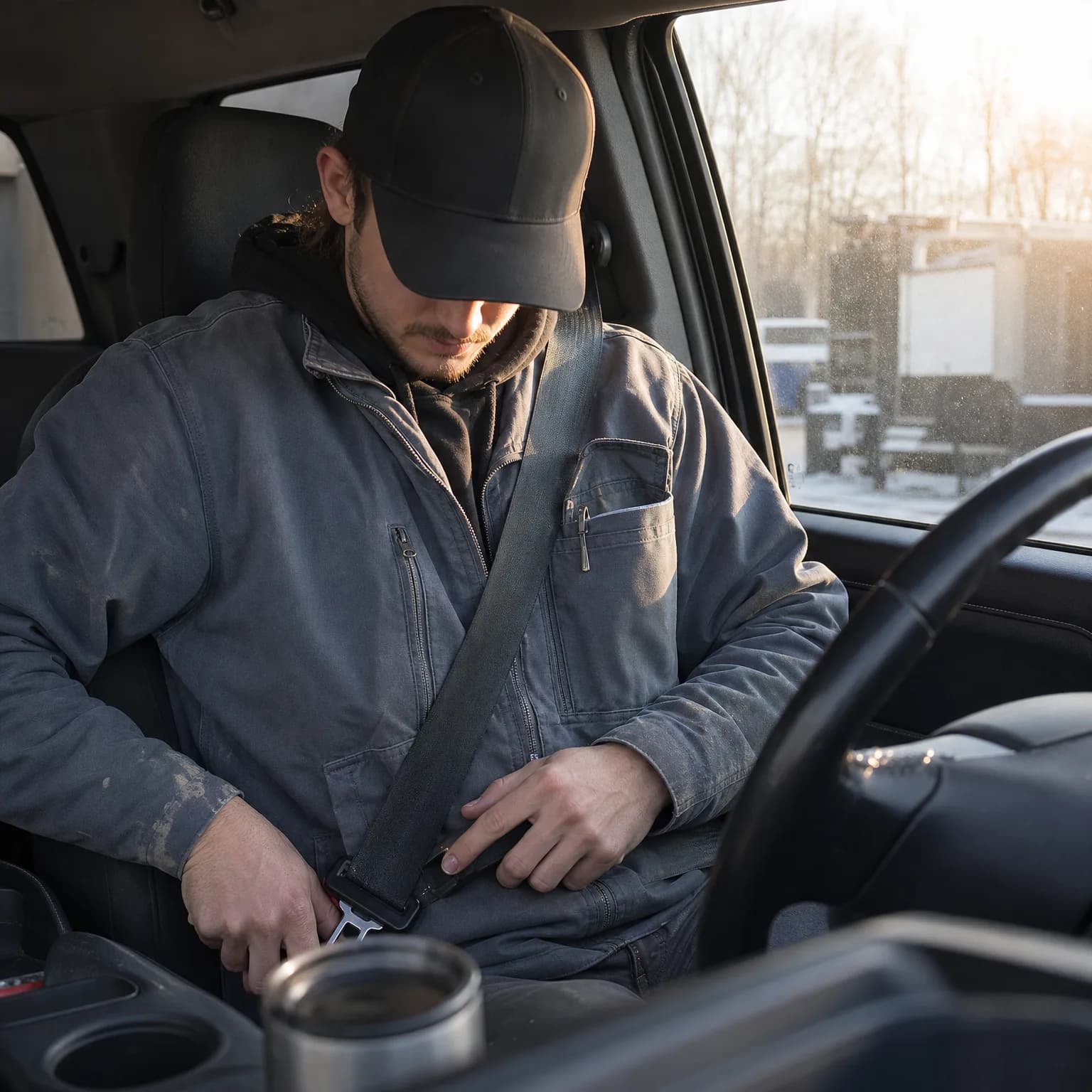
What the Court Requires Before Considering Your LDP Petition for Unpaid Fines
Superior or district court judges evaluate LDP petitions for fines-cause suspensions under a stricter evidentiary standard than DWI cases. You must file a formal petition with the clerk of court in the county where the underlying citation was issued. If your tickets span multiple counties—Wake, Durham, and Mecklenburg, for example—you need separate petitions in each jurisdiction. The court will not consolidate multi-county debt into a single LDP hearing.
Required documentation includes proof of full payment or an approved payment plan agreement signed by the clerk, proof of valid liability insurance meeting North Carolina's $50,000/$100,000/$50,000 minimum, and an employer affidavit or other evidence of hardship. The hardship standard is higher than DWI cases because the court views financial non-compliance as avoidable. Judges routinely deny petitions when the applicant cannot demonstrate that loss of driving privileges creates substantial hardship beyond inconvenience—losing a job, missing medical treatment, or inability to comply with court-ordered obligations are the thresholds most judges require.
Proof of insurance must be current at the time of filing. SR-22 financial responsibility filing is typically not required for unpaid-fines suspensions unless the underlying citation involved driving without insurance. Verify this with your county clerk before purchasing SR-22 coverage you may not need. Standard liability-only auto insurance meeting state minimums is usually sufficient. The court filing fee varies by county—typically $150 to $200—and is separate from the reinstatement fee you will owe NCDMV after the revocation is cleared.

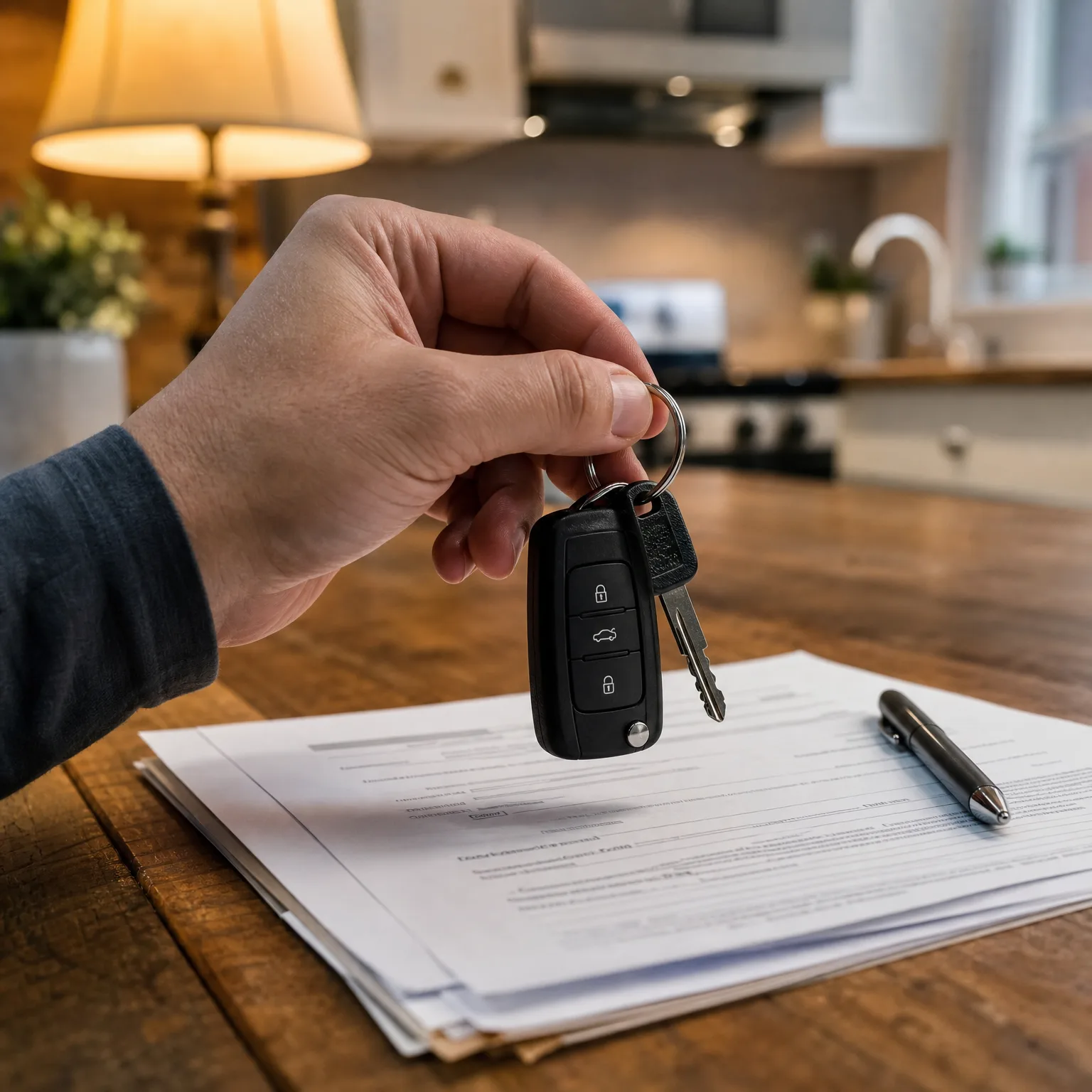
How Multi-County Ticket Debt Complicates Your Court Path to LDP
North Carolina drivers who accumulated tickets across multiple counties face a coordination problem that delays LDP eligibility. Each county court operates independently. A payment plan in Wake County does not satisfy a separate judgment in Durham County. The NCDMV will not lift your revocation until all counties holding unpaid judgments report clearance electronically through the state's eCourts system.
Identifying your full debt requires contacting each county clerk's office individually. The NCDMV suspension notice lists the triggering county, but not necessarily all counties with open balances. If you moved during the ticket-accumulation period, check both your prior and current county of residence. Unpaid parking tickets, court costs, and DMV civil penalties can all contribute to the total balance blocking reinstatement. Many drivers discover additional debts only after paying what they believed was the final balance and finding their license still revoked.
Once you identify total debt, prioritize clearing the county where you plan to file your LDP petition. If you live in Mecklenburg but work in Wake, file in the county where your employer is located—the court will want to verify employment addresses match the restricted route you're requesting. Payment plans typically span 6 to 12 months depending on balance size. During that payment period, you cannot legally drive. The LDP petition can only be filed after the payment plan is satisfied or, in rare cases, after demonstrating six consecutive months of on-time payments and extraordinary hardship.
Why Payment Plans Don't Unlock Driving Privileges During the Payment Period
North Carolina's civil penalty enforcement framework does not extend conditional driving privileges during debt repayment. This distinguishes it from Michigan's Driver Responsibility Program remnants or Texas's OmniBase system, both of which allowed restricted driving once a payment plan was established. In North Carolina, the revocation remains in effect until the underlying debt is cleared and the court reports satisfaction to NCDMV electronically.
The payment plan resolves the debt. It does not modify the revocation. Judges have discretion to grant an LDP during the payment period, but most decline unless the hardship is acute and the driver has demonstrated six months of consistent payments. The court views on-time payment history as evidence of financial rehabilitation—a prerequisite to trusting the applicant with restricted driving privileges. If you miss a payment, the plan defaults and the court will deny any pending LDP petition.
This creates a cash-flow dilemma for drivers who need transportation to maintain employment that funds the payment plan. Public transit, rideshare, or employer carpool arrangements become the only legal options. Driving on a suspended license during the payment period compounds the problem: you face an additional Class 1 misdemeanor charge under N.C.G.S. § 20-28, a new suspension period, and disqualification from LDP eligibility for that underlying violation. Judges view driving-on-suspended during a fines-cause revocation as willful non-compliance, not hardship.

Clear the Suspension and Get Covered Again
Get My Reinstatement Quote
How County Judges Evaluate Hardship for Unpaid-Fines LDP Petitions Compared to DWI Cases
DWI-based LDP petitions operate under statutory eligibility thresholds: mandatory 45-day waiting period, proof of ADET substance-abuse assessment, proof of ignition interlock installation where required. Judges have less discretion to deny when those conditions are met. Unpaid-fines petitions have no statutory checklist. The judge evaluates whether your financial non-compliance justifies restricted driving during debt resolution.
Hardship evidence must demonstrate irreplaceable need. "I need to drive to work" is insufficient unless you can prove no alternative exists—employer located outside public transit coverage, shift hours incompatible with rideshare, medical condition preventing bicycle commuting. The court wants employer affidavits on letterhead stating your job requires driving and that remote work or schedule modification is not feasible. If you are the sole caregiver for a minor or elderly dependent, medical records and school enrollment documentation strengthen the petition.
Most counties require you to appear in person for the LDP hearing. Bring originals of all documentation. The judge will ask why you allowed the tickets to go unpaid, how you plan to prevent future non-compliance, and why the court should trust you with restricted driving privileges when you did not comply with prior court orders. Frame your answer around changed financial circumstances—job loss during the ticket period, medical expenses, or other documented hardship—not convenience. Judges deny petitions when the applicant's explanation amounts to "I forgot" or "I couldn't afford it but didn't contact the court."

What Happens After the Court Grants Your LDP: Restrictions and Reinstatement Timeline
If the county court grants your Limited Driving Privilege, you receive a court order defining permitted routes, days, and hours. These restrictions are narrower than DWI-based LDPs. Typical grants allow driving between home and work, home and medical appointments, and home and the courthouse for payment-plan compliance meetings. Religious activities and school drop-off may be included if documented in the petition. Grocery shopping, social errands, and recreational driving are prohibited.
Time restrictions are set by the judge. Most LDPs for fines-cause suspensions limit driving to 6am–8pm Monday through Friday, with Saturday morning hours for grocery or medical needs. You must carry the court order, proof of insurance, and your suspended license at all times. Law enforcement will verify your current location and time against the court order during any traffic stop. Driving outside permitted hours or routes triggers immediate revocation of the LDP and a new driving-on-suspended charge.
The LDP does not shorten your payment plan or accelerate reinstatement. Once the full debt is satisfied, the court reports clearance to NCDMV electronically. Processing typically takes 5 to 10 business days. You must then pay the $65 reinstatement fee to NCDMV online via myNCDMV.gov or in person at a driver license office. Only after that fee is paid and processed does your full license privilege return. The LDP expires automatically upon full reinstatement—you do not need to surrender the court order separately.
How to Meet North Carolina's Liability Insurance Requirement Without SR-22 for Fines-Cause Suspensions
Unpaid court fines do not typically trigger SR-22 financial responsibility filing requirements in North Carolina. SR-22 is reserved for violations involving uninsured operation, DWI, reckless driving, or excessive points accumulation. If your suspension is purely fines-cause—failure to pay traffic tickets or court costs—you need only standard liability coverage meeting the state's minimums: $50,000 bodily injury per person, $100,000 bodily injury per accident, $50,000 property damage.
Carriers writing standard liability policies in North Carolina include State Farm, Geico, Progressive, Nationwide, and Allstate. These policies are cheaper than non-standard or SR-22-attached policies because they do not carry the high-risk surcharge associated with driving violations. Monthly premiums for minimum liability coverage typically range from $85 to $140 depending on age, county, and vehicle type. Estimates based on available industry data; individual rates vary by driving history, vehicle, coverage selections, and location.
If you let your previous policy lapse during the suspension period, reinstatement will require proof of continuous coverage moving forward. Purchase a policy before filing your LDP petition. The court will not accept a binder or intent-to-purchase letter—only an active policy with your name, vehicle, and effective date clearly listed. Uninsured motorist coverage is required in North Carolina; verify your quote includes UM/UIM at the same limits as your liability coverage. Once your license is reinstated and the fines-cause revocation is cleared, shop for better rates—your premium should drop once your record shows no active suspension.
Frequently Asked Questions
Can I get a Limited Driving Privilege in North Carolina if I still owe court fines?
North Carolina judges rarely grant LDP petitions for unpaid-fines suspensions unless you have either paid the full balance or completed at least six months of an approved payment plan with no missed payments. The court has discretion to deny even if you meet those thresholds. Unlike DWI cases, there is no statutory pathway guaranteeing LDP eligibility once debt-resolution milestones are met.
Do I need SR-22 insurance to get my license back after a suspension for unpaid tickets in NC?
No. Unpaid court fines do not trigger SR-22 financial responsibility filing requirements in North Carolina. You need standard liability insurance meeting the state's $50,000/$100,000/$50,000 minimums. SR-22 is required only for DWI, uninsured operation, reckless driving, or excessive points suspensions.
How long does it take to get my license reinstated after I pay off my court fines in North Carolina?
After you pay the full balance, the court reports clearance to NCDMV electronically. Processing typically takes 5 to 10 business days. You must then pay the $65 reinstatement fee online or in person. Your license is reinstated once NCDMV processes the fee payment, usually within 1 to 2 business days.
What happens if I drive during my payment plan before my license is reinstated in NC?
Driving on a suspended license during a fines-cause revocation is a Class 1 misdemeanor under N.C.G.S. § 20-28. You face a new suspension period, additional fines, and disqualification from LDP eligibility. Judges view this as willful non-compliance, not hardship, and will deny any pending or future LDP petition for that underlying violation.
Can I file one LDP petition if my unpaid tickets are in multiple North Carolina counties?
No. Each county court operates independently. You must file separate LDP petitions in each county where you have unpaid citations. NCDMV will not lift your revocation until all counties report clearance electronically. Identify your full debt by contacting each county clerk's office individually before filing any petition.
What kind of hardship evidence do NC judges require for unpaid-fines LDP petitions?
North Carolina judges require proof that loss of driving privileges creates irreplaceable hardship—job loss if you cannot drive, inability to reach medical treatment, or failure to comply with court-ordered obligations. Bring employer affidavits on letterhead, medical records, or school enrollment documentation. "I need to drive to work" without proof of no alternative is insufficient.
How much does it cost to get a Limited Driving Privilege for unpaid fines in North Carolina?
Court filing fees for LDP petitions vary by county, typically $150 to $200. This is separate from the $65 NCDMV reinstatement fee you will owe after the revocation is cleared. You must also maintain valid liability insurance during the LDP period and throughout reinstatement, adding $85 to $140 per month for minimum coverage.
Related Articles
NC Unpaid Fines: Payment Plans & License Reinstatement
5/18/2026
NC License Reinstatement After Unpaid Tickets
7/4/2026
NC Court Payment Plans for Unpaid Tickets Explained
5/18/2026

NC License Reinstatement After §20-24.1 Fines Clear
5/18/2026
Ohio LDP With Unpaid Court Fines: Eligibility Rules
5/18/2026

NC G.S. §20-24.1: Unpaid Fines and License Suspension
5/18/2026